
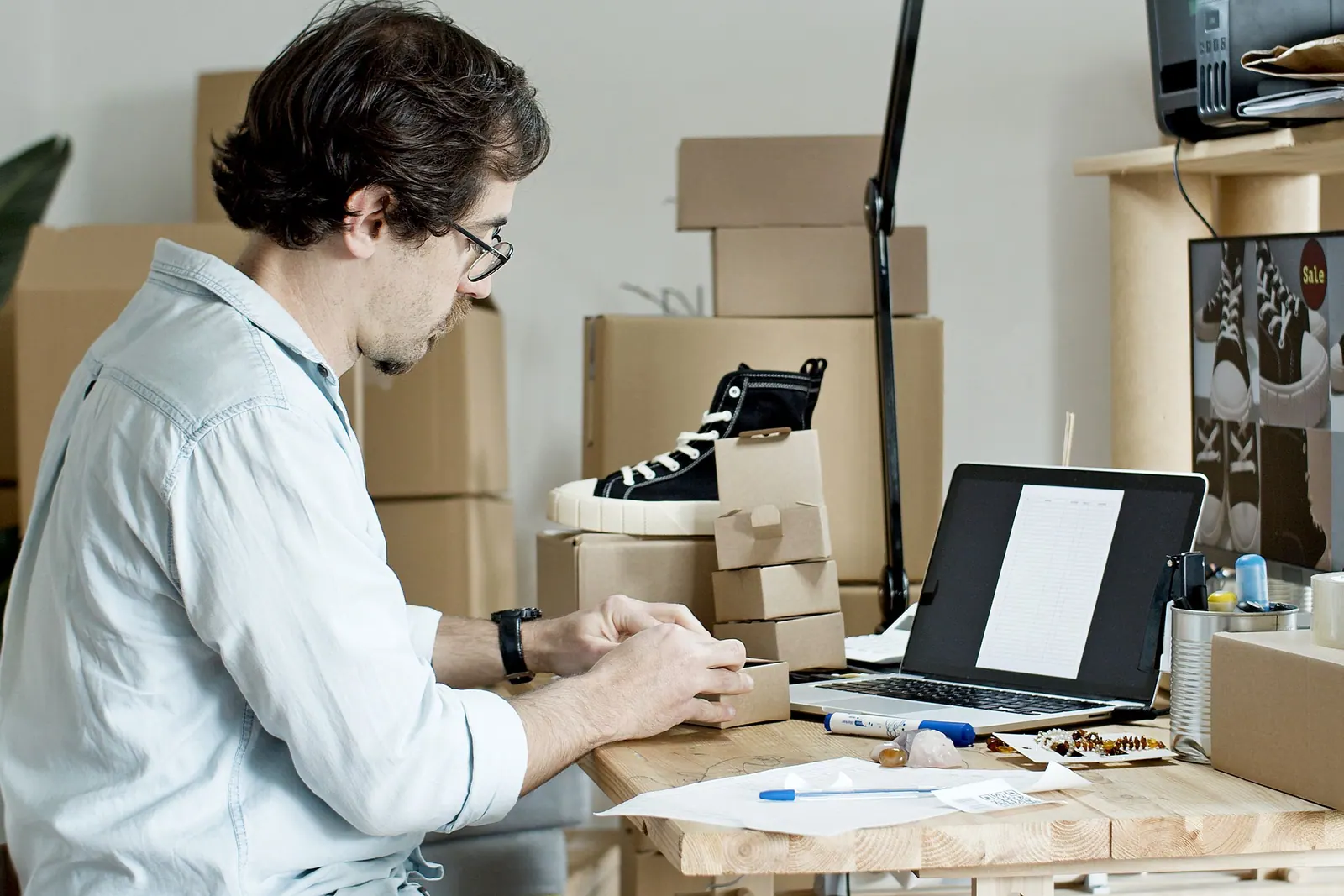
Wednesday's Budget triples the amount you can earn from a side hustle before any of it is taxable, from £1,000 to £3,000, from April 2027. It affects anyone reselling on Vinted or eBay, tutoring at weekends, walking dogs, or doing the odd freelance job alongside a main job. It takes the smallest side incomes out of the tax system entirely.
What changed, and how many people it affects
The trading allowance is the amount of income from self-employed or casual trading activity you can earn each tax year before it counts towards your tax bill at all. It has sat at £1,000 since it was introduced in 2017. From April 2027 it rises to £3,000. The Guardian reports that up to 1.4 million people could benefit from the change, with HM Revenue and Customs data supplied to accountancy firm Lubbock Fine showing the scale of what has grown underneath that £1,000 ceiling: 2.6 million people made money selling goods through platforms including eBay, Vinted and Etsy last year, up from just 450,000 in 2024. Under the old £1,000 threshold, many of those sellers had to register for Self Assessment.
Of the 1.4 million affected, the Guardian puts a figure on two distinct groups. An estimated 400,000 people will see their tax bill fall, by an average of £380 a year. Separately, around 100,000 people will no longer have to report their trading income to HMRC at all, because it will sit entirely inside the new, larger allowance.
Worked numbers: a reseller under the £1,000 and £3,000 allowances
Take an illustrative example: someone in full-time employment who also resells trainers and clothing on Vinted and eBay in the evenings, clearing £2,200 a year in sales income after the cost of what they bought to resell. Under today's rules, the first £1,000 of that is tax-free under the trading allowance, but the remaining £1,200 is taxable profit. As a basic-rate taxpayer on their main job, that £1,200 is taxed at 20%, a bill of £240 — and because their trading income is over £1,000, they must register for self-assessment and file a return for it every year.
From April 2027, the same £2,200 of sales income sits entirely under the new £3,000 allowance. The tax bill on it drops from £240 to nothing, and because the gross income is under £3,000, there is a reasonable case they will not need to register for self-assessment for this income stream at all. For comparison with the £380 average the Guardian reports, a reseller with a slightly bigger year, say £2,800 of sales profit taxed at 20% today, is currently paying £360 in tax on the £1,800 above the old threshold — close to that reported average — and will pay nothing on it from April 2027.
Anyone simply clearing out their own wardrobe or garage and selling things for less than they originally paid for them is not trading in the tax sense at all, allowance or no allowance, because there is no profit to tax. The £3,000 figure only applies once you are buying with a view to reselling, making things to sell, or charging for a service.
Side incomes under £3,000, side incomes over £3,000, and sole traders
If your side hustle brings in somewhere between £1,000 and £3,000 a year, after April 2027 you are very likely out of the tax and admin system for it entirely, including any self-assessment return you file only for that income. Until then, the current £1,000 limit still applies, so keep declaring as normal for this tax year and the next.
If your side hustle earns more than £3,000, you still benefit. You cannot exempt income above the allowance, but as AJ Bell's Sarah Coles told the Guardian, you keep the choice to deduct the £3,000 allowance instead of your actual costs when calculating taxable profit, rather than itemising real expenses and capital costs. For anyone whose genuine costs — postage, platform fees, stock — run below £3,000 a year, that is a bigger automatic deduction than before, with no extra bookkeeping required to claim it.
If you are already a self-employed sole trader with this as your main income rather than a side line, the allowance rise does not change much for you directly, since you will already be past £3,000 and filing properly. If you are unsure whether a side income has become a business HMRC expects to see, our sole trader accountants team can tell you.
What to do this week
If you currently earn between £1,000 and £3,000 from a side hustle and have been filing a self-assessment return for it, carry on as normal for this tax year and 2026-27 — the current £1,000 limit is still the law until April 2027, and the rules on platforms like eBay, Vinted and Etsy reporting seller data to HMRC once you pass 30 sales or around £1,700 in a year have not changed either. Keep a simple record of your sales and what you paid for stock now, because having that already organised makes the switch to the new allowance, and the choice between the flat £3,000 deduction or itemising real costs, quick to make in April 2027. If you are not sure whether what you are doing already counts as trading rather than simply clearing things out, our self-assessment team can tell you.
Our self-assessment service works out what needs reporting and makes sure you do not pay tax on income that is not taxable.
What is still uncertain, and when we'll know
The headline figures — £3,000 and an April 2027 start — were confirmed by the Chancellor in the Budget speech and are the numbers to plan around now. What has not yet been published is the Finance Bill legislation that will set out the precise drafting, including exactly how the higher allowance interacts with Making Tax Digital for Income Tax thresholds for anyone who also has separate self-employment or property income running alongside a side hustle. Jane Hawkes of the Lady Janey blog, also quoted by the Guardian, points out that the allowance does not remove the difference between selling unwanted personal belongings and trading for profit. Keep a record of which sales are personal and which are trading.
